
Balance and Flexibility Sessions That Work
Practical strategies for improving balance and flexibility to prevent falls and maintain independence in daily activities.
Why Balance and Flexibility Matter
Getting older doesn't mean you have to feel stiff or unsteady. We're living longer, more active lives — and that means our bodies need proper maintenance. Balance and flexibility aren't just about touching your toes or standing on one leg. They're about independence, confidence, and staying active doing the things you love.
The good news? These skills improve quickly when you work on them consistently. Most people notice real changes in 4-6 weeks. Better balance means fewer falls. Better flexibility means easier movement through daily life. You'll get up from chairs without struggling, bend down to pick things up, and move through the day with more freedom.
The Foundation: Core Stability and Breathing
Everything starts here. Your core isn't just about abs — it's the stabilizing system that keeps you upright.
Engage Your Core
Your deep abdominal muscles work like a corset, supporting your spine. When they're weak, everything else suffers. Planks, dead bugs, and bird dogs strengthen these stabilizers. You don't need fancy equipment — just consistency. Three times per week, 10-15 minutes, makes a real difference.
Master Your Breathing
Shallow chest breathing tenses everything up. Diaphragmatic breathing — deep belly breathing — activates your core naturally. Inhale for four counts, exhale for four counts. This isn't fancy yoga mysticism. It's physiology. Your nervous system relaxes, your muscles release tension, and balance improves immediately.
Align Your Posture
Standing tall isn't vanity — it's mechanics. Slouching shifts your weight forward, making balance harder. Shoulders back, chest open, neutral spine. This positioning activates your stabilizer muscles automatically. You'll feel steadier within days of conscious practice.
Building Real Flexibility
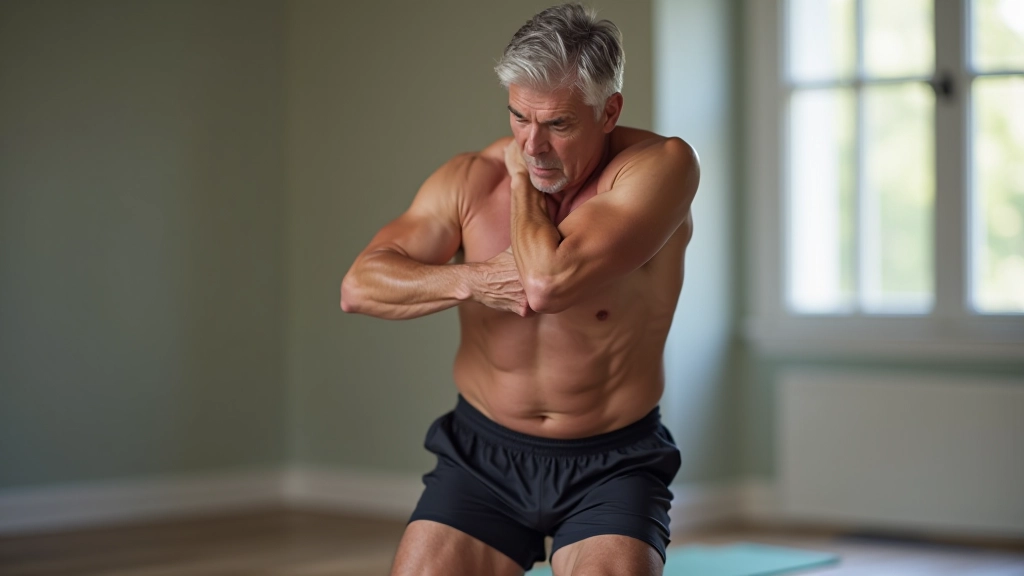
Flexibility isn't about doing splits. It's about your hips, hamstrings, shoulders, and ankles having enough range of motion for normal life. Most people lose flexibility because they stop moving their joints through their full range. It's reversible.
Static stretching — holding a stretch for 20-30 seconds — works well after you're warmed up. But dynamic stretching before activity keeps things fluid. Leg swings, arm circles, walking lunges. These activate your muscles while improving mobility. Don't bounce or force stretches. Gentle pressure, held steady. You'll feel when you've reached your edge.
The real secret? Consistency beats intensity. Five minutes daily beats one intense session weekly. Your tissues adapt gradually. Push too hard and you'll get sore. Be patient and you'll improve steadily.
Progressive Balance Training
Balance improves through gradual challenge. Start simple, progress steadily.
Foundation Balance
Stand on both feet, eyes open. Shift weight side to side. Rock forward and back. This wakes up your stabilizer muscles. Add a 30-second single-leg stand. Grab a wall if needed — there's no shame in that. Confidence matters.
Intermediate Challenge
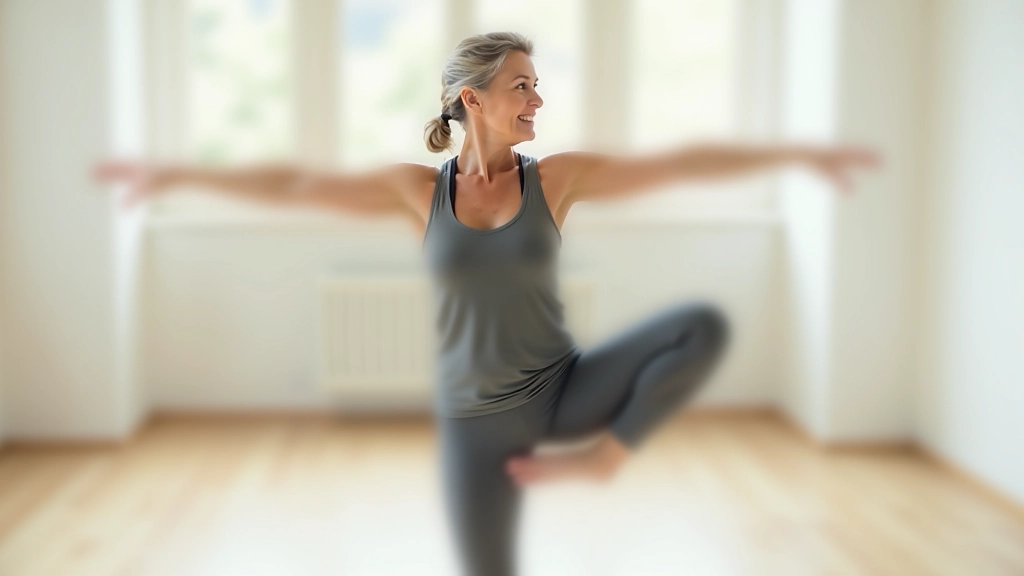
Single-leg stands for 30-60 seconds. Try standing on one leg while reaching the other leg forward and back. Do this 3-4 times per week. Add heel-to-toe walking in a straight line — it's harder than it sounds. Your ankles and core work together.
Advanced Progression
Single-leg balance with eyes closed. Standing on unstable surfaces like foam pads. Tai Chi movements — these are specifically designed for balance and flow. Your proprioception (body awareness) gets sharper every week. You'll feel noticeably steadier.
Practical Session Structure That Works
A solid session takes 45-60 minutes. Here's what actually works. Start with 5-10 minutes of gentle movement — walking, arm circles, easy movements. Your body needs to warm up before you push it.
Then spend 20-25 minutes on your main focus. If it's balance day, do your progression work. If it's flexibility day, work through major joints — hips, shoulders, hamstrings, calves. Move slowly. Breathe. Don't rush between positions. The quality of your focus matters more than the number of repetitions.
Finish with 10-15 minutes of cool-down stretching and breathing work. This is when your body really integrates what you've learned. Restorative poses. Gentle stretches. Deep breathing. You'll leave feeling calm and stable, not exhausted.
Your Balance and Flexibility Journey
You don't need fancy equipment or expensive programs. You need consistency and patience. Three to four sessions per week, 45-60 minutes each. Within 8-12 weeks, you'll notice real differences. You'll feel steadier walking. You'll move with less effort. You'll have more confidence in your body.
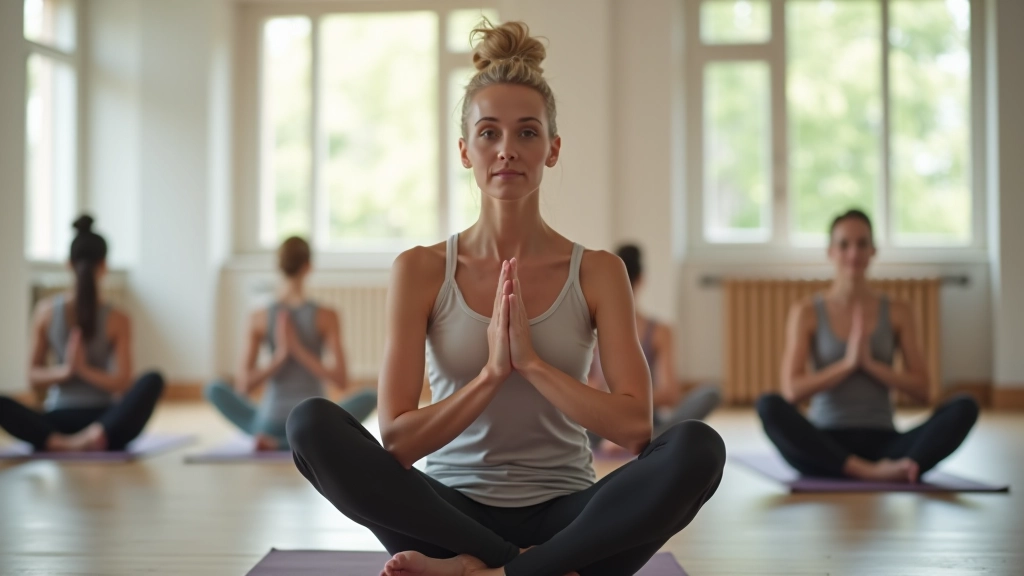
The best session is the one you'll actually do. If you prefer morning classes with other people, join a class. If you'd rather practice at home, that works too. Some people benefit from a trainer's eye on their form. Others do better self-directed. Find what fits your life and stick with it.
Start where you are. Progress gradually. Trust the process. Your body's capacity to improve doesn't stop at 40, 50, or 60. You've got this.
Important Information
This article provides educational information about balance and flexibility training. It's not a substitute for professional medical advice, diagnosis, or treatment. If you have health conditions, joint pain, or balance issues, consult with a healthcare provider or qualified physical therapist before starting any new exercise program. They can assess your individual situation and provide guidance specific to your needs. Everyone's body is different, and what works for one person may not be ideal for another. Start slowly, listen to your body, and progress at your own pace.