Getting Started with Gentle Hatha Yoga
Learn the fundamentals of Hatha yoga, including proper breathing techniques and basic poses that build strength without strain.
What Is Hatha Yoga?
Hatha yoga isn't some complicated system. It's straightforward — physical poses (called asanas) combined with breathing techniques (pranayama). That's it. You're not signing up for spiritual transformation or enlightenment. You're learning to move your body more skillfully while calming your nervous system.
The gentle version we're talking about here? It's designed specifically for people who want real results without strain. Whether you're recovering from injury, managing arthritis, or just tired of feeling stiff — Hatha works. Most practitioners notice improvements in flexibility, balance, and strength within 4-6 weeks of consistent practice.
Start With Breath
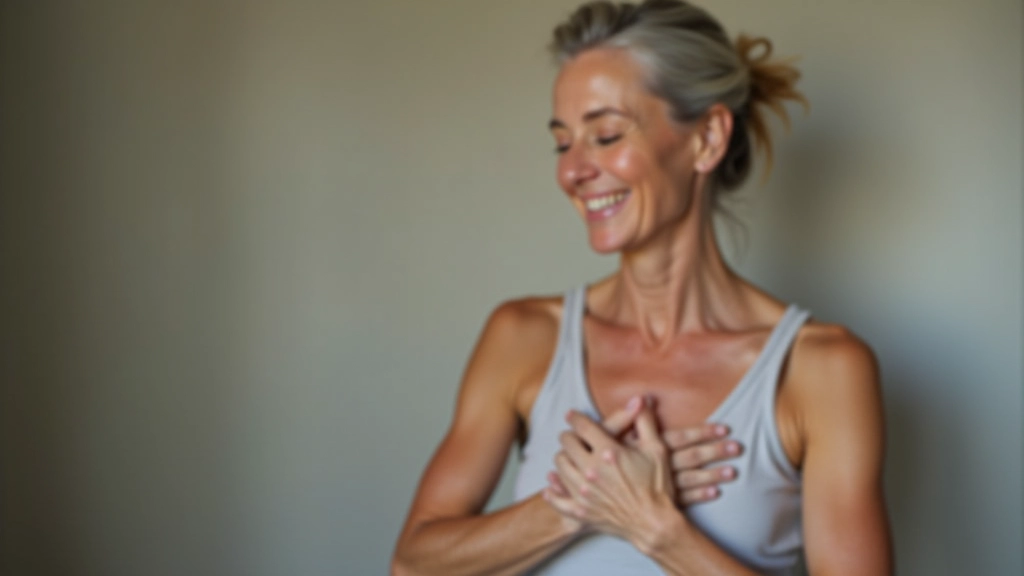
Before you attempt a single pose, you need to understand how to breathe properly. Most people breathe shallowly from their chest. That's not going to cut it in yoga.
01
Nasal Breathing
Always breathe through your nose, never your mouth. This filters air, warms it, and signals your body to relax. You'll notice the difference immediately.
02
Diaphragmatic Breathing
Breathe deeply into your belly, not your chest. Place your hand on your stomach — it should rise and fall. This activates your parasympathetic nervous system (the relaxation system).
03
Ujjayi Breathing
This is the ocean-sounding breath. Slightly constrict the back of your throat to create a gentle, audible sound. It steadies your mind and warms your body from inside.
Five Essential Poses to Master
Don't try to do everything at once. These five poses form the foundation. Master them before moving forward. Each one has a specific purpose — they're not random.
Child's Pose (Balasana)
FoundationalKneel on the floor, big toes touching, knees wide. Fold forward and rest your forehead. This calms your nervous system and stretches your lower back gently. Hold for 1-2 minutes.
Why: Releases tension in your back, hips, and shoulders. Perfect resting pose between other movements.
Mountain Pose (Tadasana)
FoundationalStand with feet hip-width apart, arms at sides, weight balanced evenly. Engage your thighs and lengthen your spine. It looks simple but it's not — this is where alignment begins.
Why: Improves posture and balance. Every standing pose builds from this position.
Downward Dog (Adho Mukha Svanasana)
CoreFrom hands and knees, press your palms down and lift your hips toward the ceiling, creating an inverted V-shape. Your head should be relaxed between your arms. Don't rush into this — it takes practice.
Why: Strengthens your shoulders and arms, stretches your hamstrings and calves. It's a full-body energizer.
Warrior I (Virabhadrasana I)
CoreStep one foot forward, bend your front knee to 90 degrees, keep your back foot grounded at 45 degrees. Square your hips forward and reach your arms overhead. This builds real leg strength.
Why: Strengthens legs and glutes, improves balance, builds confidence. You'll feel powerful in this pose.
Corpse Pose (Savasana)
EssentialLie flat on your back, legs extended, arms at sides with palms facing up. Close your eyes and breathe naturally. This isn't napping — it's where your body integrates the benefits of your practice.
Why: Lowers blood pressure, reduces anxiety, helps your nervous system shift into recovery mode. Every session should end here for 5-10 minutes.
Building Your First Practice
Here's what you're not going to do: force yourself into an advanced class, compare yourself to experienced yogis, or push through pain. That's a recipe for injury and quitting.
Instead, here's a realistic starting routine. Three times per week, 30-40 minutes per session. That's it. Consistency matters way more than intensity.
5 minutes
Seated breathing — settle your mind and focus on your breath
10 minutes
Gentle warm-ups — cat-cow stretches, shoulder rolls, neck circles
15 minutes
Standing poses — Mountain, Warrior I, Warrior II, Triangle
5 minutes
Cool-down stretches — forward folds, seated twists, hamstring stretches
5 minutes
Savasana — complete relaxation and integration
Practical Tips That Actually Help
We're not going to overwhelm you with philosophy. These are practical things that make a real difference in your practice.
Practice at the Same Time
Early morning is ideal — your body is stiff, so you'll feel real progress. But honestly? The best time is whenever you'll actually do it. Morning, evening, doesn't matter if you're consistent.
Use Props Without Guilt
Blocks, straps, blankets — they're not cheating. They let you access the right alignment and depth of stretches. Use them. Seriously.
Don't Push Into Pain
Stretching discomfort? Fine. Sharp pain? Stop immediately. You're building a long-term practice, not proving something in one session.
Keep a Consistent Space
Doesn't need to be fancy. A corner of your living room works fine. But having a dedicated space makes it easier to commit to your practice.
Stay Hydrated (But Not Right Before)
Drink water after your practice, not during. And definitely not right before — you'll regret that in downward dog.
Listen to Your Body
Some days you'll be more flexible, some days less. That's normal. Adjust your intensity based on what your body needs, not what you think it should do.
When You're Ready to Progress
After 6-8 weeks of consistent practice, you'll notice real changes. Your flexibility improves. Your balance gets better. Poses that felt impossible? They're manageable now.
That's when you can add complexity. But here's the rule: don't advance just because you can. Advance because you've mastered the foundation and your body is ready.
✓
You can hold Mountain Pose for 2 minutes without strain
✓
Downward Dog feels supported, not exhausting
✓
You're noticing improvements in daily life — less stiffness, better posture
✓
You're craving your practice instead of dreading it
Important Disclaimer
This article is educational and informational in nature. Yoga can be incredibly beneficial, but it's not a substitute for medical advice or treatment. If you have existing health conditions, injuries, or concerns, consult with your healthcare provider before starting any new exercise program. Listen to your body, respect your limits, and consider working with a certified yoga instructor, especially when you're beginning. Individual results vary based on consistency, technique, and personal circumstances.
Related Articles